Historical Music Trends in Portugal's Nightlife
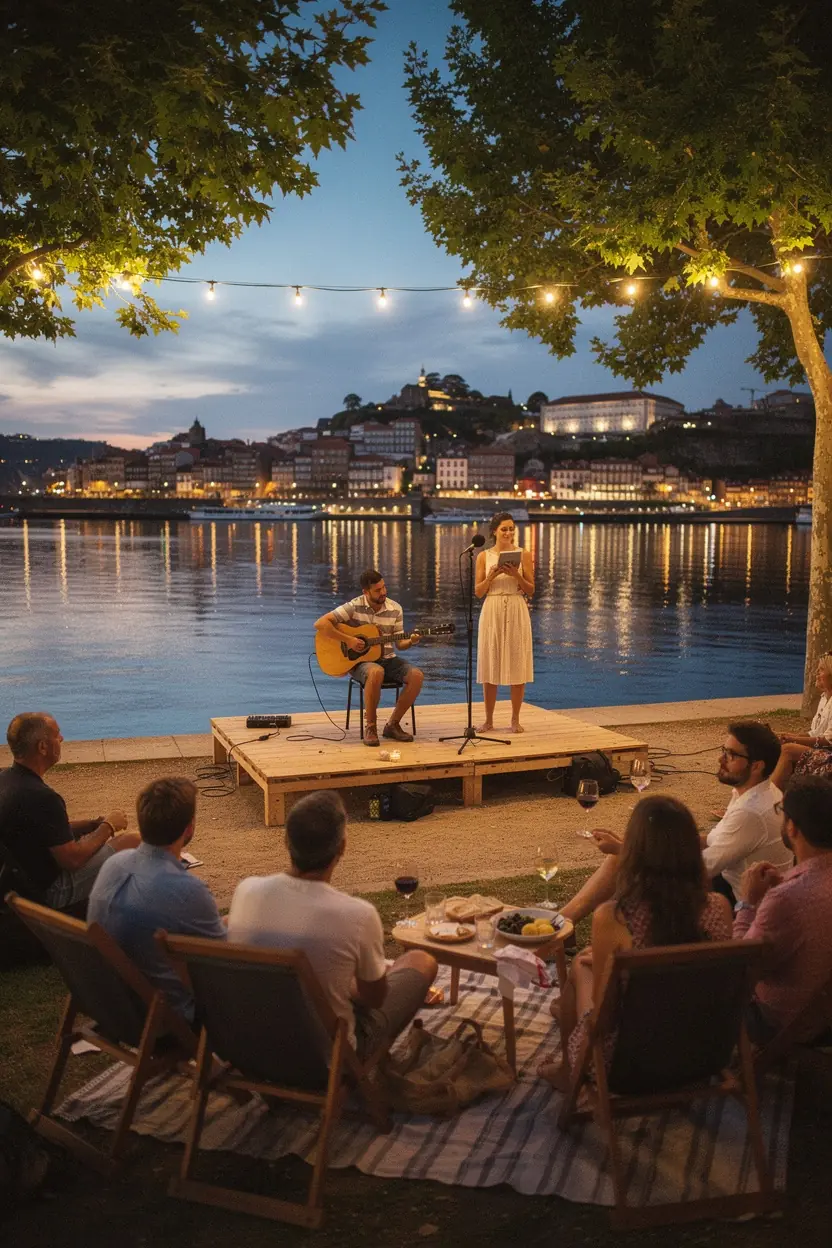
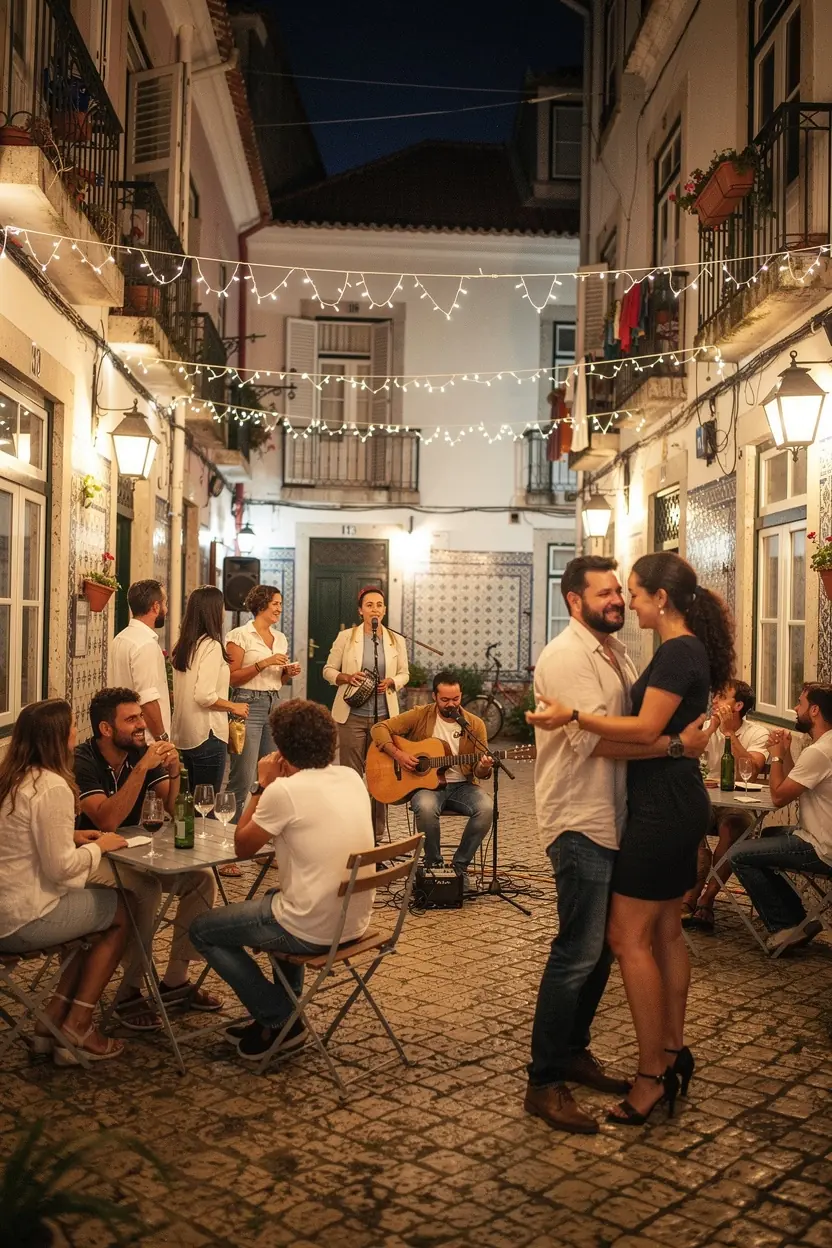
Portugal's vibrant music scene has always been a reflection of its cultural heritage and historical evolution. Exploring the trends in Portugal's nightlife reveals a rich tapestry of sounds and experiences, particularly for adults aged 40-60 who seek not just entertainment but a nostalgic connection to their past.
The Roots of Portuguese Nightlife Music
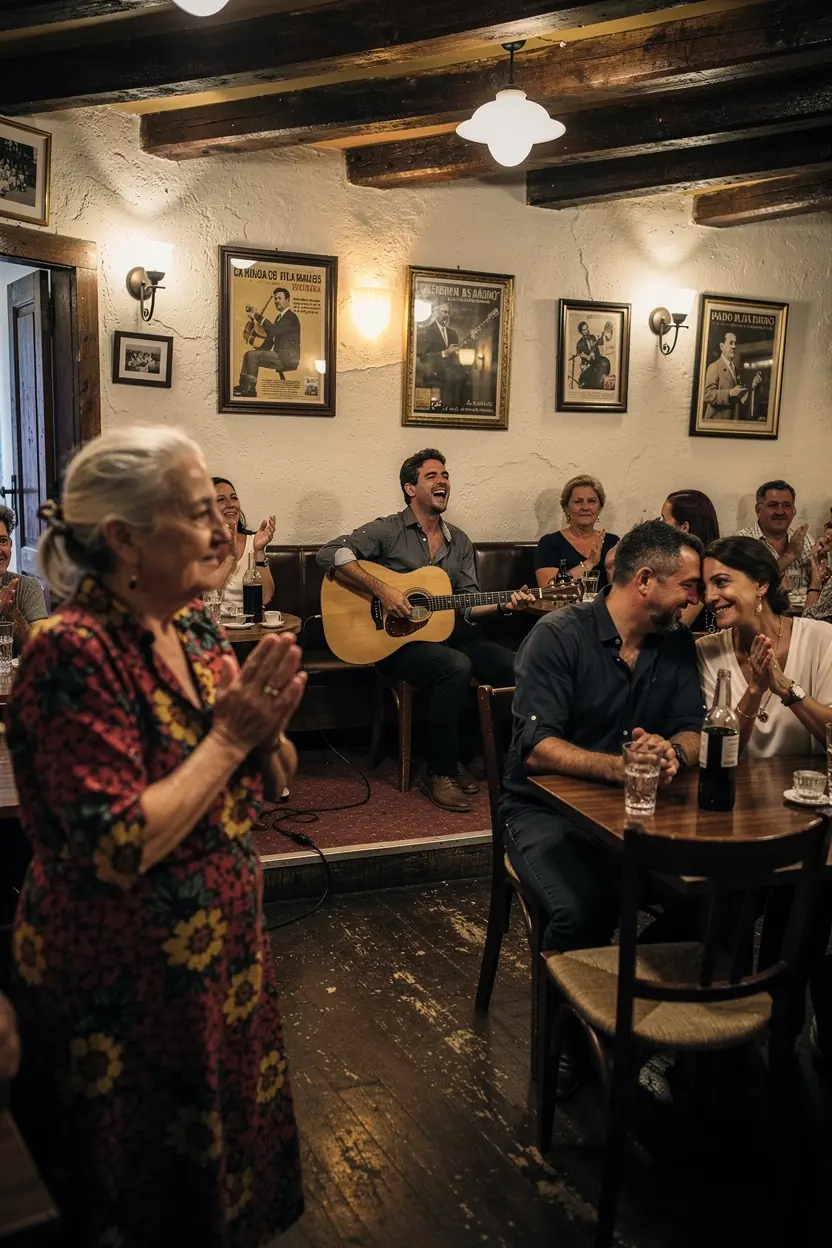
Historically, Portuguese music has been characterized by its diverse influences, from traditional Fado to contemporary pop. According to music historians, traditional Fado music, which emerged in the early 19th century, remains a significant element in contemporary nightlife, often celebrated in local taverns and specialized venues. This genre not only tells stories of love, loss, and longing but also embodies the spirit of Portugal’s culture.
"Fado is more than music; it's an emotion that resonates deeply with the Portuguese soul." - Musicologist Ana Costa
The Evolution of Live Music Events
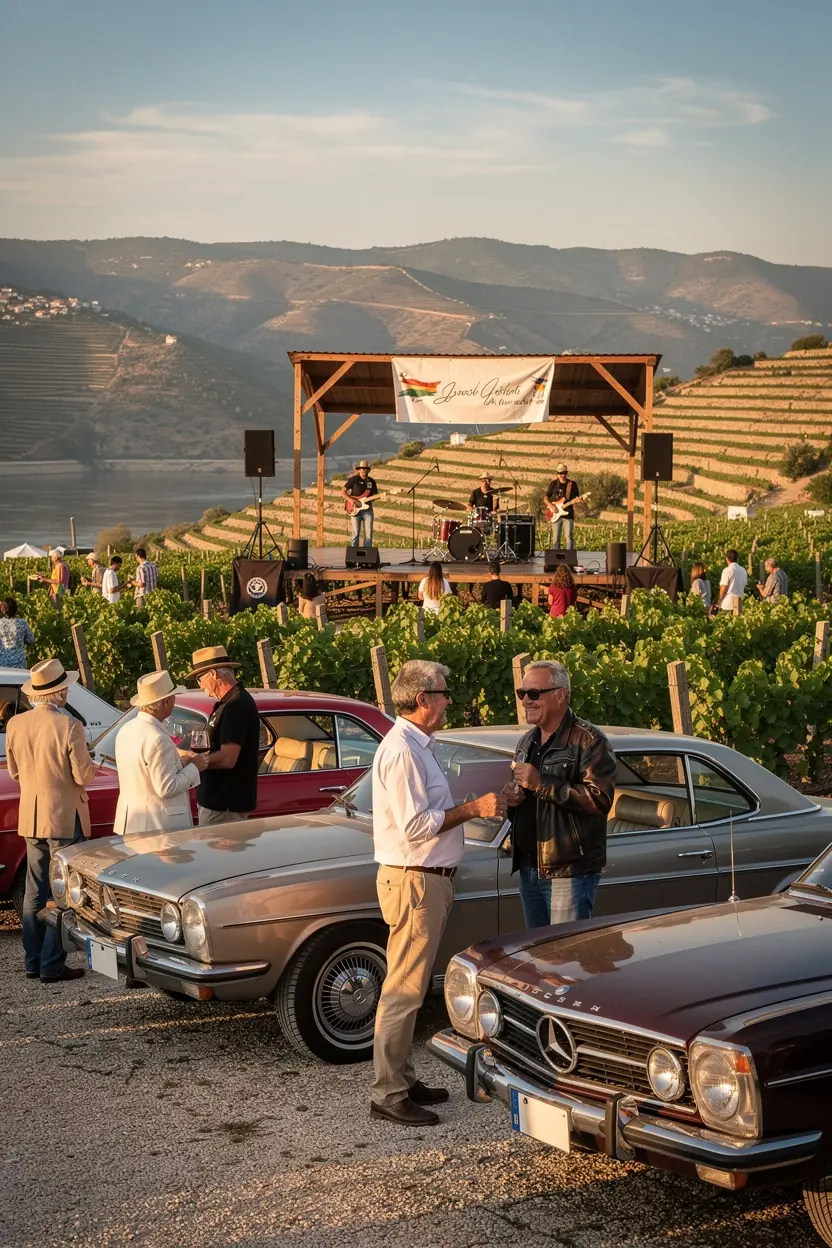
Over the decades, the landscape of live music in Portugal has transformed significantly. While the 1970s and 1980s were dominated by local bands and traditional performances, the advent of new genres in the 1990s and 2000s introduced a variety of music events. Many experts note that this shift paved the way for a more inclusive nightlife environment. Today, events often feature a blend of nostalgia performances that appeal to an older demographic, ensuring that classics from the past are revisited in a contemporary setting.
Nostalgia-Focused Performances
Nostalgia performances, which focus on music from the 1970s to the early 2000s, cater specifically to adults aged 40-60. These events often draw large crowds, highlighting the enduring popularity of music that shaped many people's formative years. Research indicates that adults tend to reminisce positively about music from their youth, often associating it with significant life moments.
Curated Monthly Lineups
For adults looking for curated experiences, many venues in Portugal now offer monthly music lineups that reflect these historical trends. You can find a variety of performances that range from Fado and classic rock to jazz and pop. These events not only entertain but also foster a sense of community among attendees, as they share memories and experiences associated with the music.
- Accessibility: Many venues provide detailed information on accessibility, ensuring that individuals with mobility challenges can enjoy live music comfortably.
- Venue Information: It's important to check venue websites for specific concert details, including age restrictions and seating arrangements.
- Event Listings: The Portugal concert calendar is filled with local music events that cater to varying tastes and preferences.
Conclusion
Understanding the historical trends in Portugal's nightlife music allows us to appreciate the rich cultural tapestry that continues to thrive today. By focusing on nostalgia performances and curated lineups, venues cater to an adult audience that cherishes both the music of their youth and the community experiences that come with it. As Portugal's live music scene evolves, it remains a vital part of the cultural landscape, offering experiences that resonate deeply with the audience.
Read More